Producer Doug Williams captures live sound in digital age
Producer Doug Williams prefers live, human-centered recording, capturing authentic band chemistry over digitally constructed perfection.
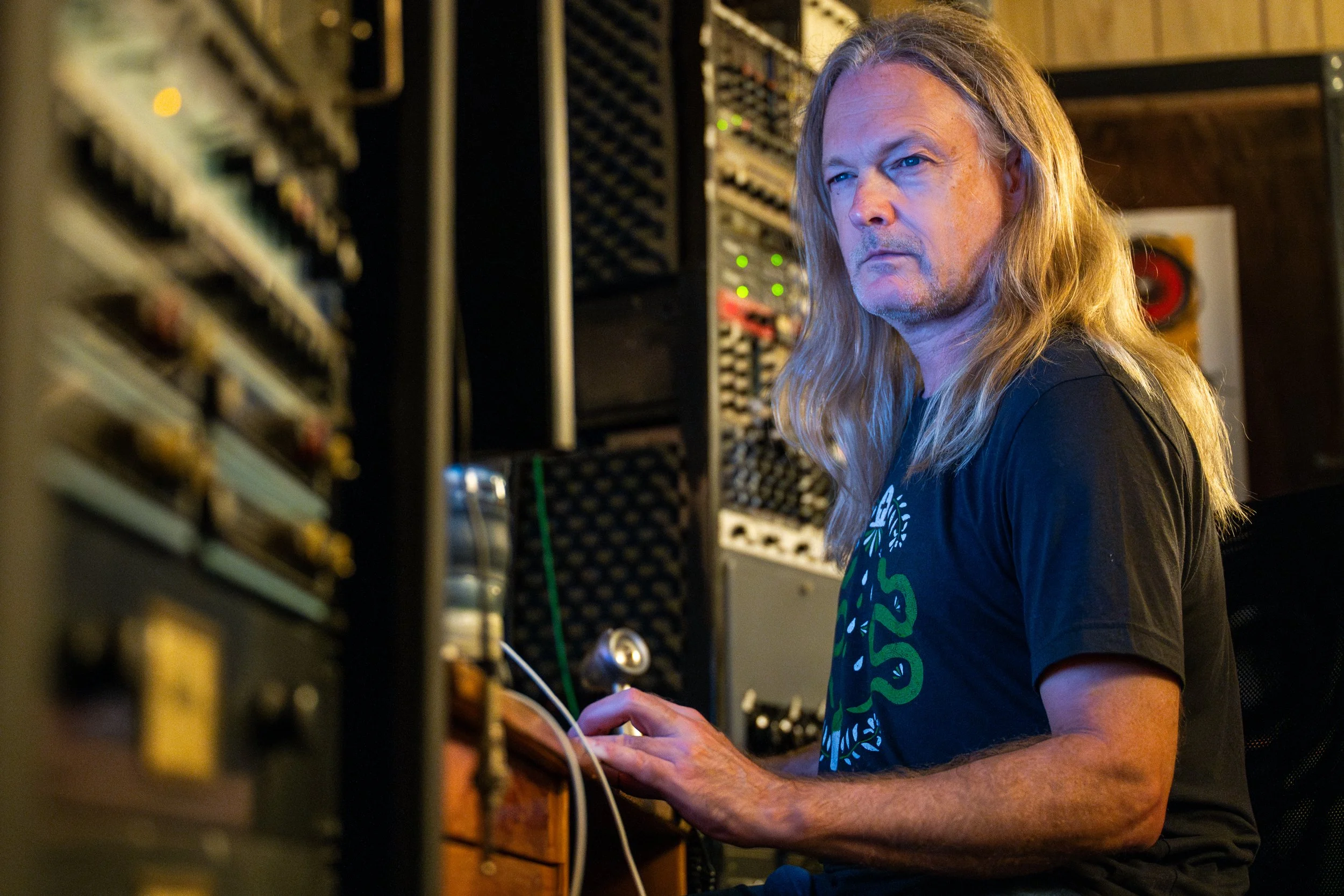
Winston-Salem, NC, Dec. 6, 2025 – Focused: Doug Williams focuses on perfecting a recording setup.
By Nick Carlson - 12/17/2025
In an era when music production is shaped by digital software and plug-ins, engineer and producer Doug Williams of EMR Records has built a reputation on a different philosophy, capturing the sound of real musicians playing together in a room.
“I’ve always liked getting things as live as possible,” Williams said. “I think you get a result that sounds more like group human emotion.”
Williams, who began recording on cassette decks decades ago, now works with a hybrid setup that blends analog and digital technology. While many modern producers rely on editing, splicing and computer-built performances, Williams prioritizes the chemistry that forms when musicians perform live.
That approach has resonated with artists seeking authenticity. One musician, Allyn, who recorded with Williams said she first heard about him through other local musicians whose recording felt true to their live sound.
“I really love the way that he brought out their true sound,” she said, “they felt real and like how I know them from hearing them play live.”
According to an article on modern music production tools, DAWs provide precise audio editing capabilities like cutting, splicing and aligning tracks with non-destructive editing, offering flexibility that contrasts with Williams’ commitment to sound authenticity and capturing live group performances.
Williams’ commitment to authenticity extends to his equipment. He runs instruments through vintage broadcast preamps, tape-era hardware and hand-wired gear before the sound ever reaches a computer. The goal, he said, is to make decisions early in the process and avoid the creative paralysis that comes with unlimited digital options.
According to JMC Academy, digital audio workstations enable producers to edit pitch, timing and structure with near-limitless flexibility, making it possible to construct performances after recording instead of relying on real-time interaction between musicians.
Williams also favors recording full bands live rather than tracking each instrument separately.
“You can do it take by take…or you can do it live in one sitting,” Williams said. “It sounds a little less perfect, but conveys a lot more unique human perspective and emotion.”
No matter the genre, punk, bluegrass, jazz or Americana, Williams tailors his setup to serve the song. “As long as I’m getting that creative experience of humans playing music together,” he said, “that’s what I’m most into.”
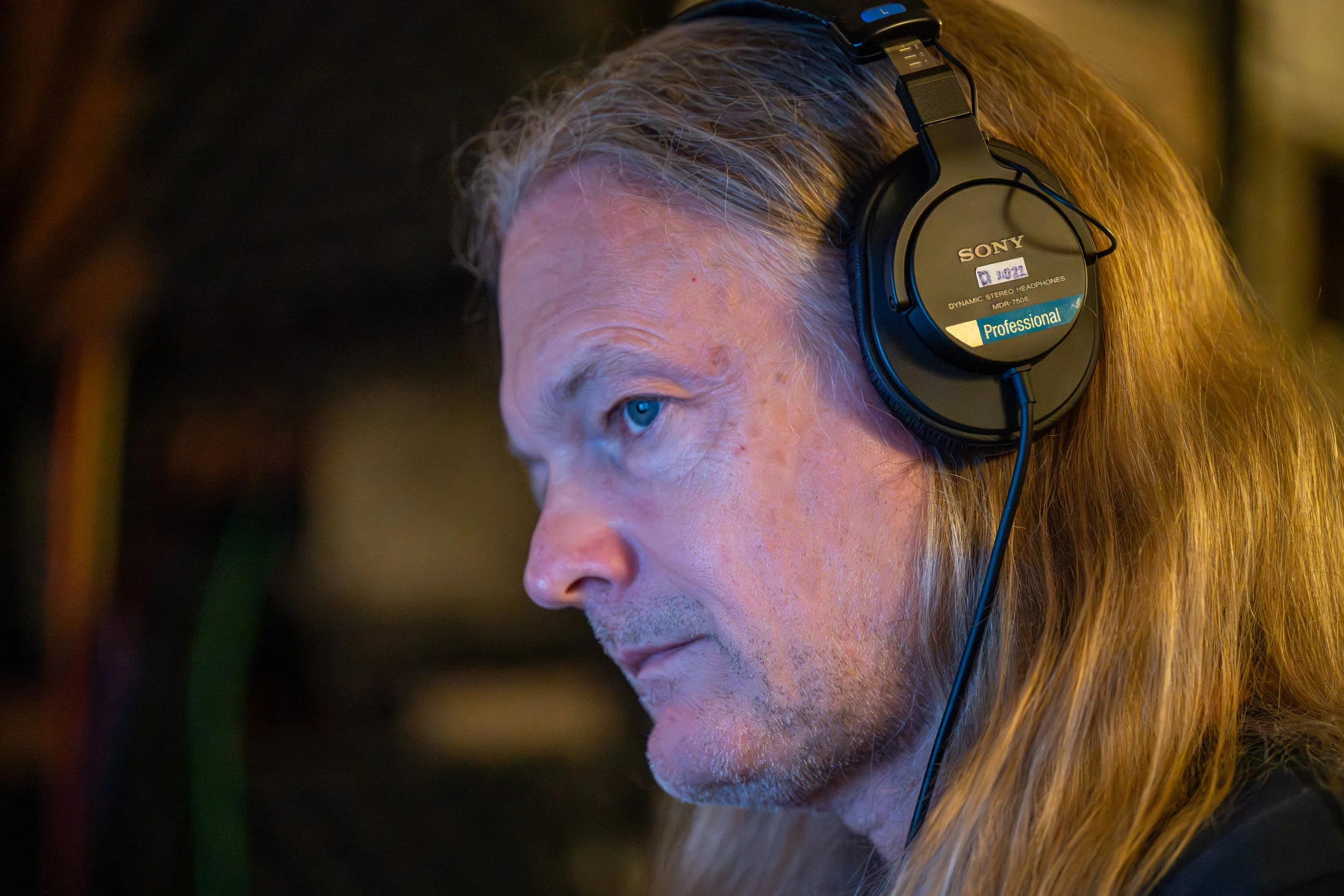
Winston-Salem, NC, Dec. 6, 2025 – Doug Williams focuses on perfecting a recording setup.
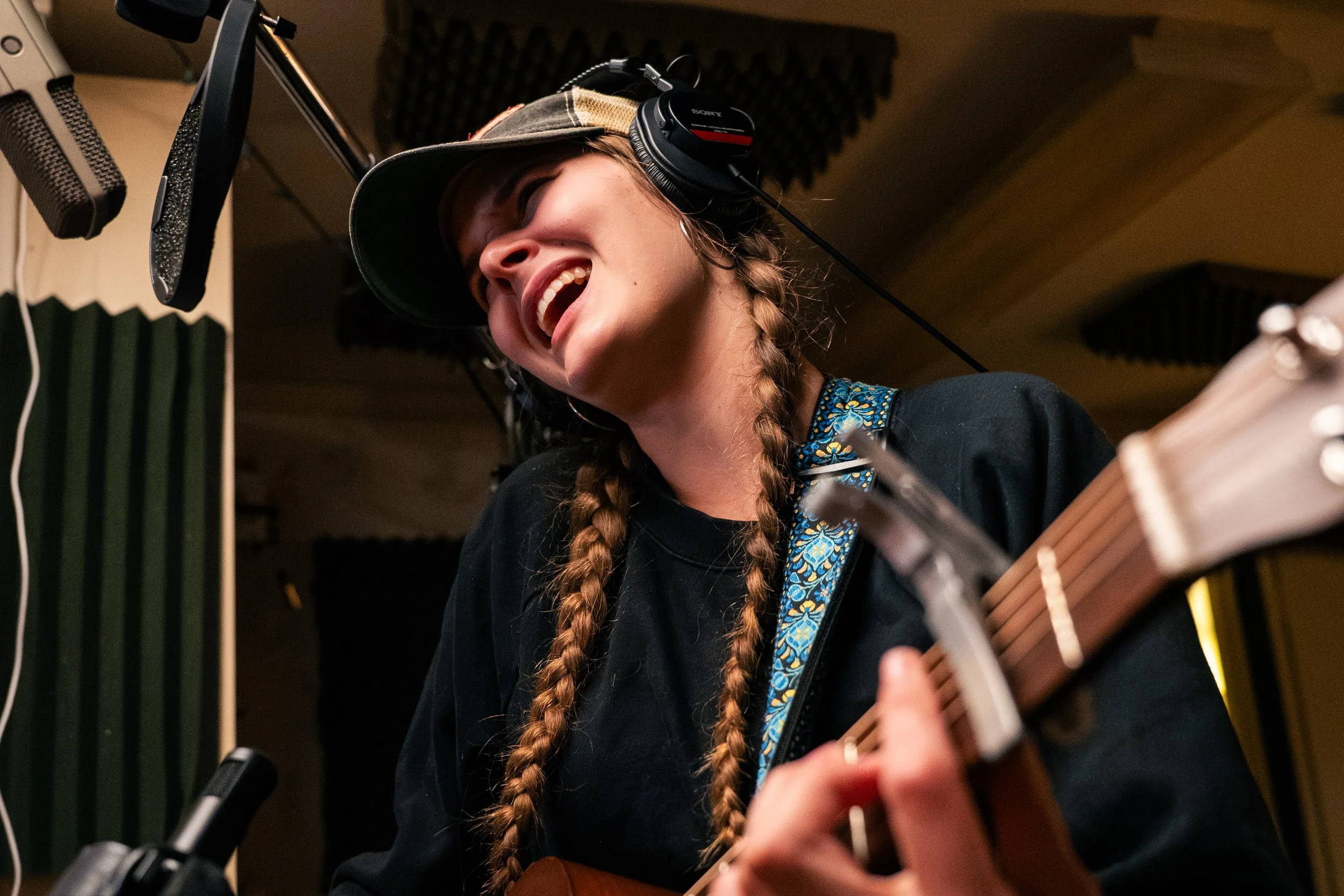
Winston-Salem, NC, Dec. 6, 2025 – Allyn records a take of her song in a isolation booth.
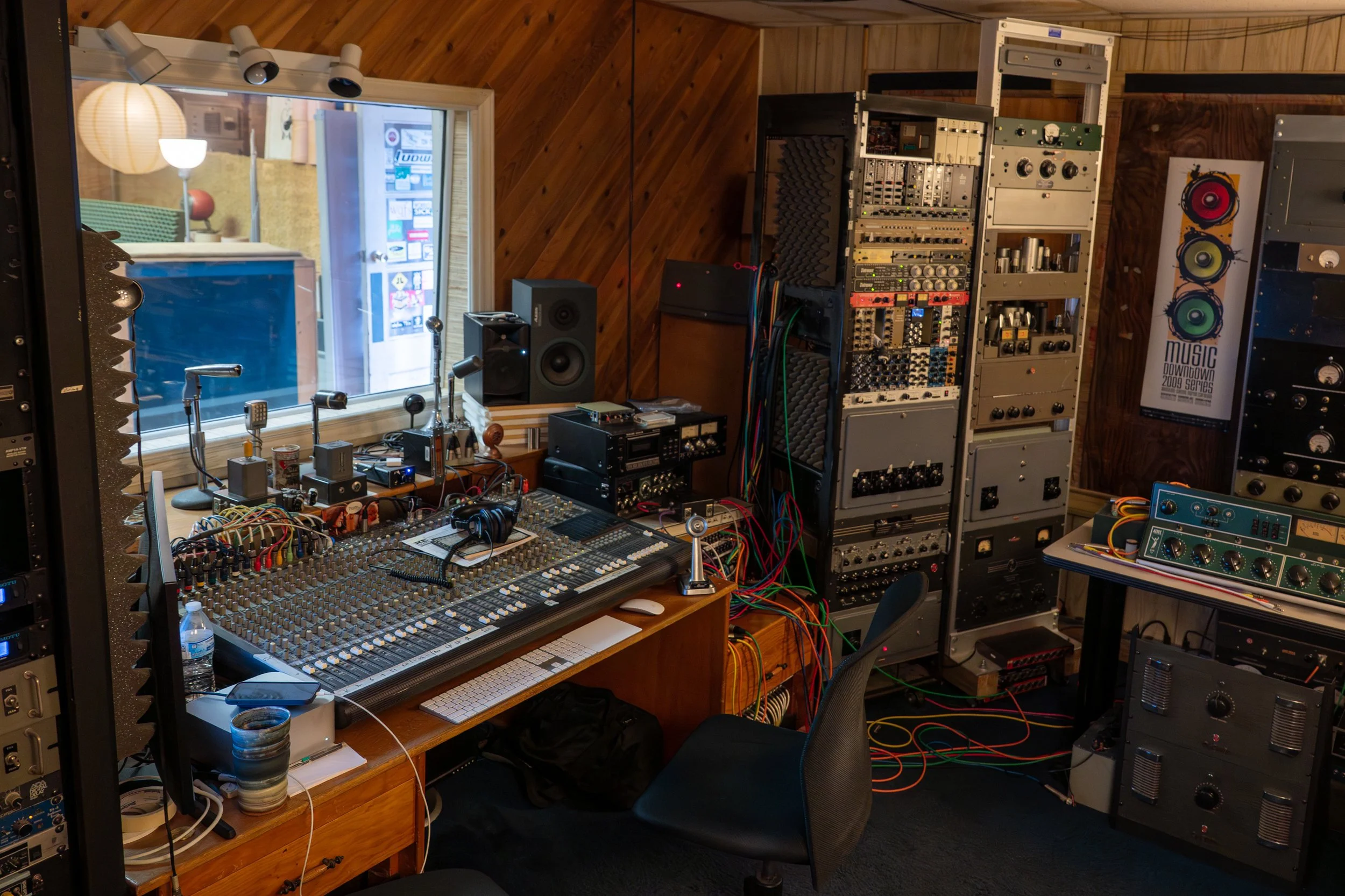
Winston-Salem, NC, Dec. 6, 2025 – Vintage gear used in tandem with modern tech.
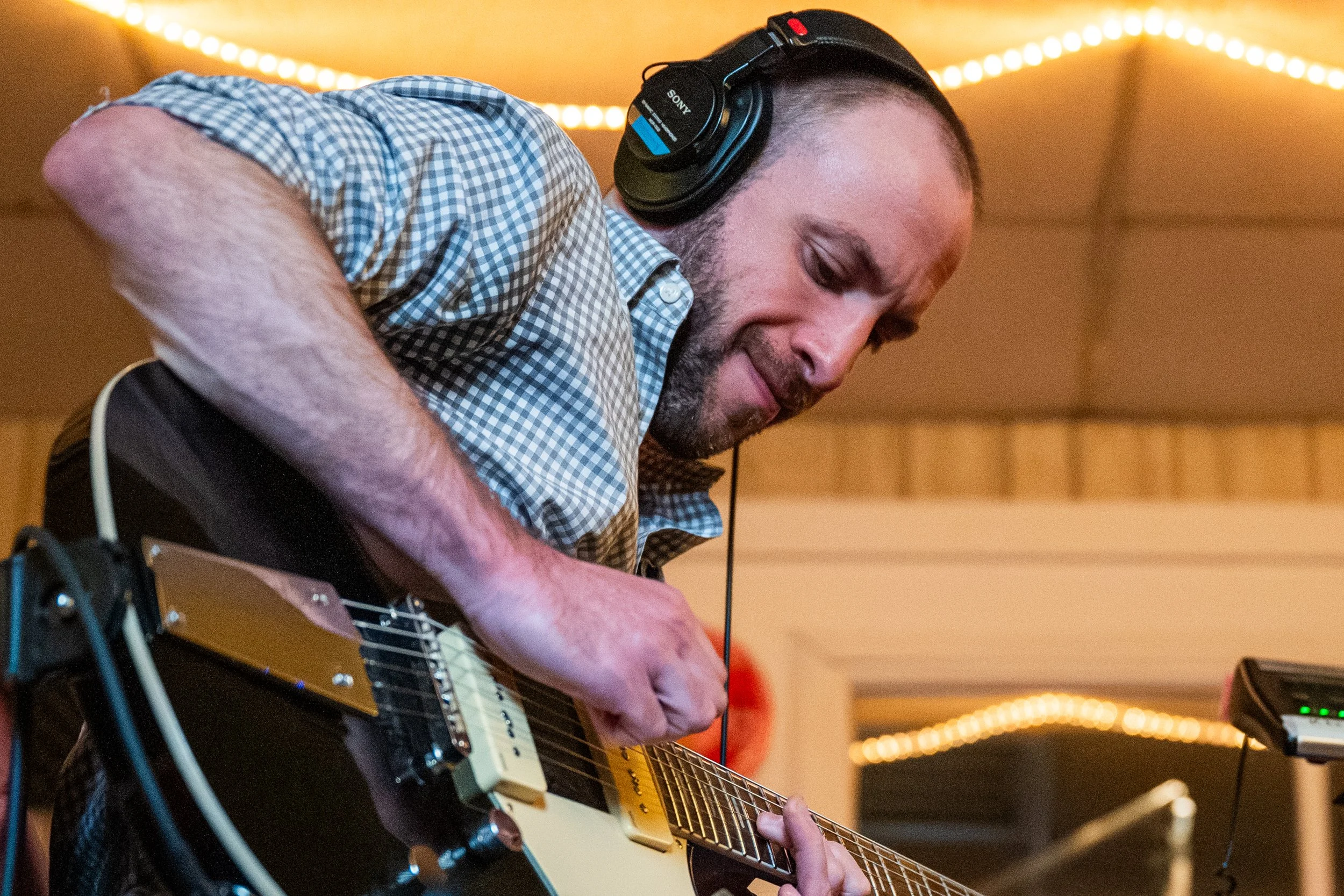
Winston-Salem, NC, Dec. 6, 2025 – Jeremy Marx plays guitar solo for one of Allyns songs.
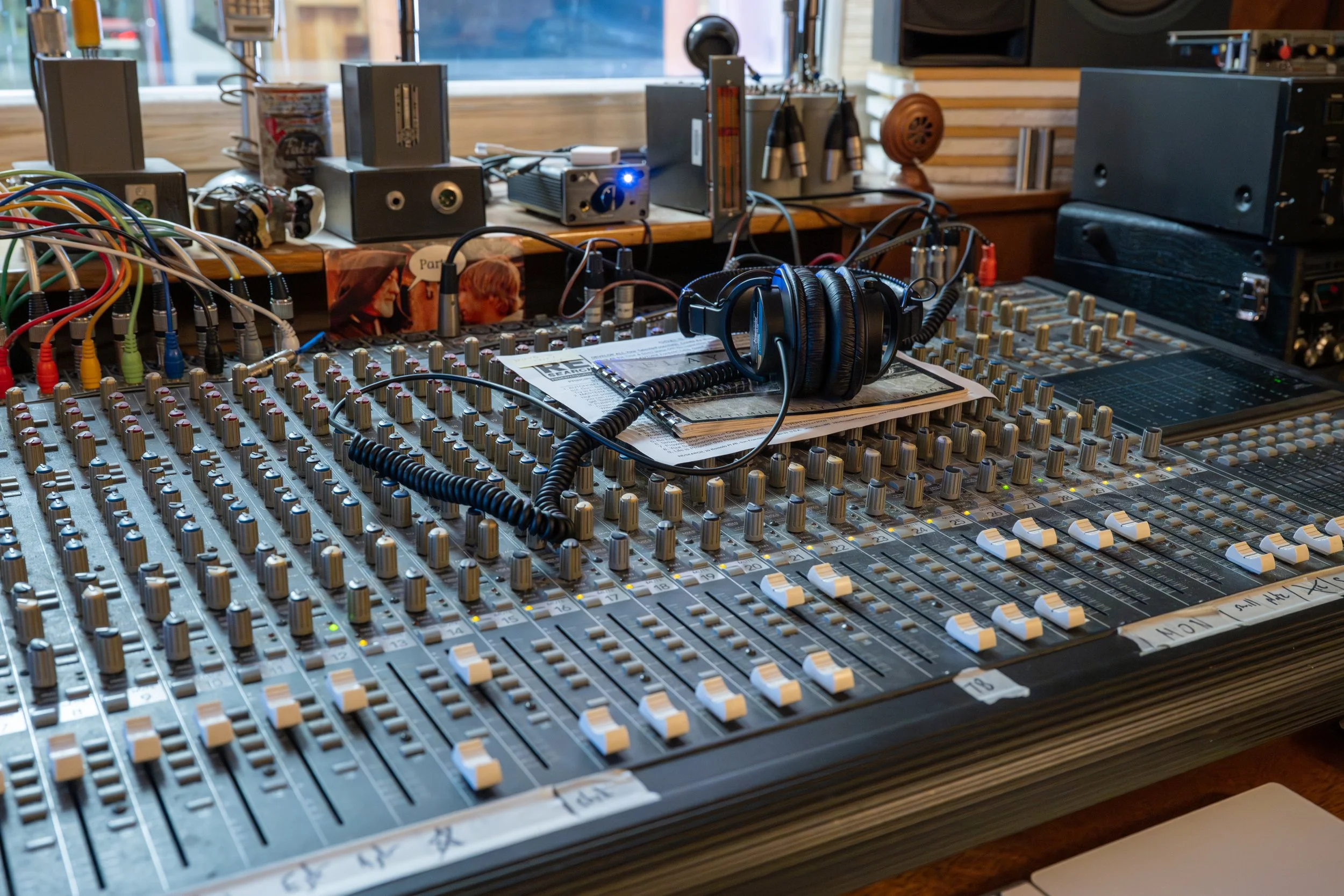
Winston-Salem, NC, Dec. 6, 2025 – Recording equipment.
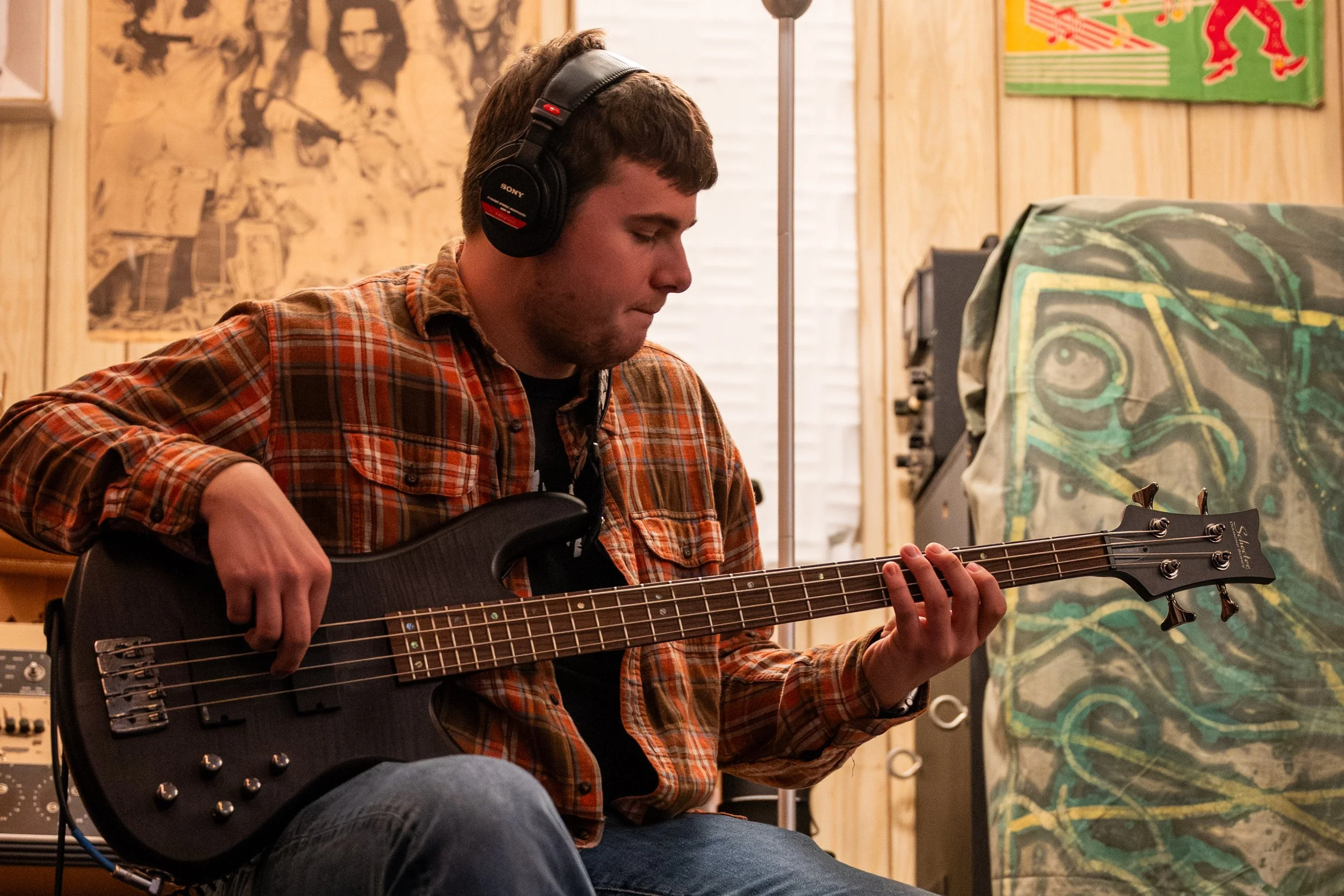
Winston-Salem, NC, Dec. 6, 2025 – Nick Jordan plays bass guitar during a recording session.
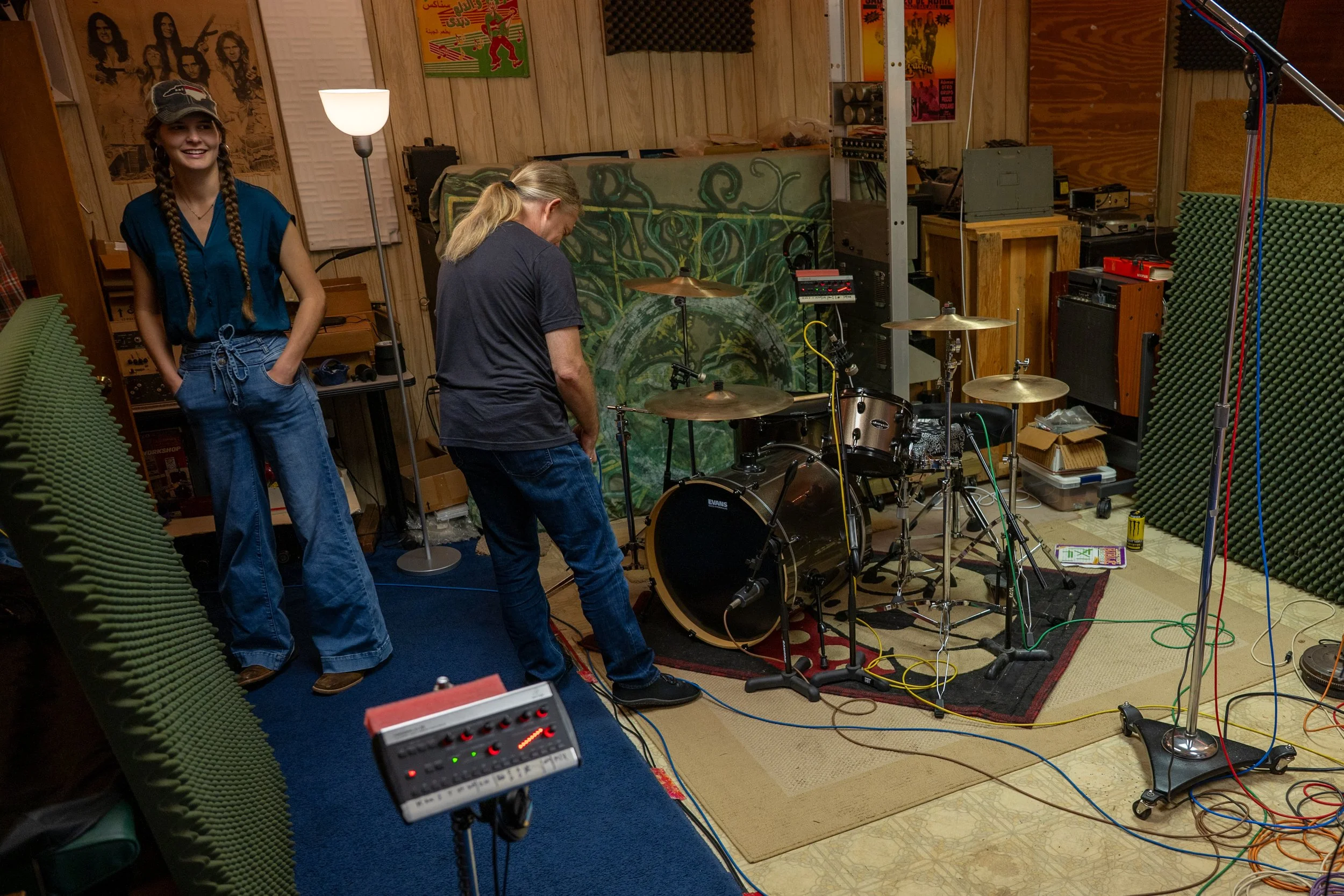
Winston-Salem, NC, Dec. 6, 2025 – Williams and others set up the live band recording space.
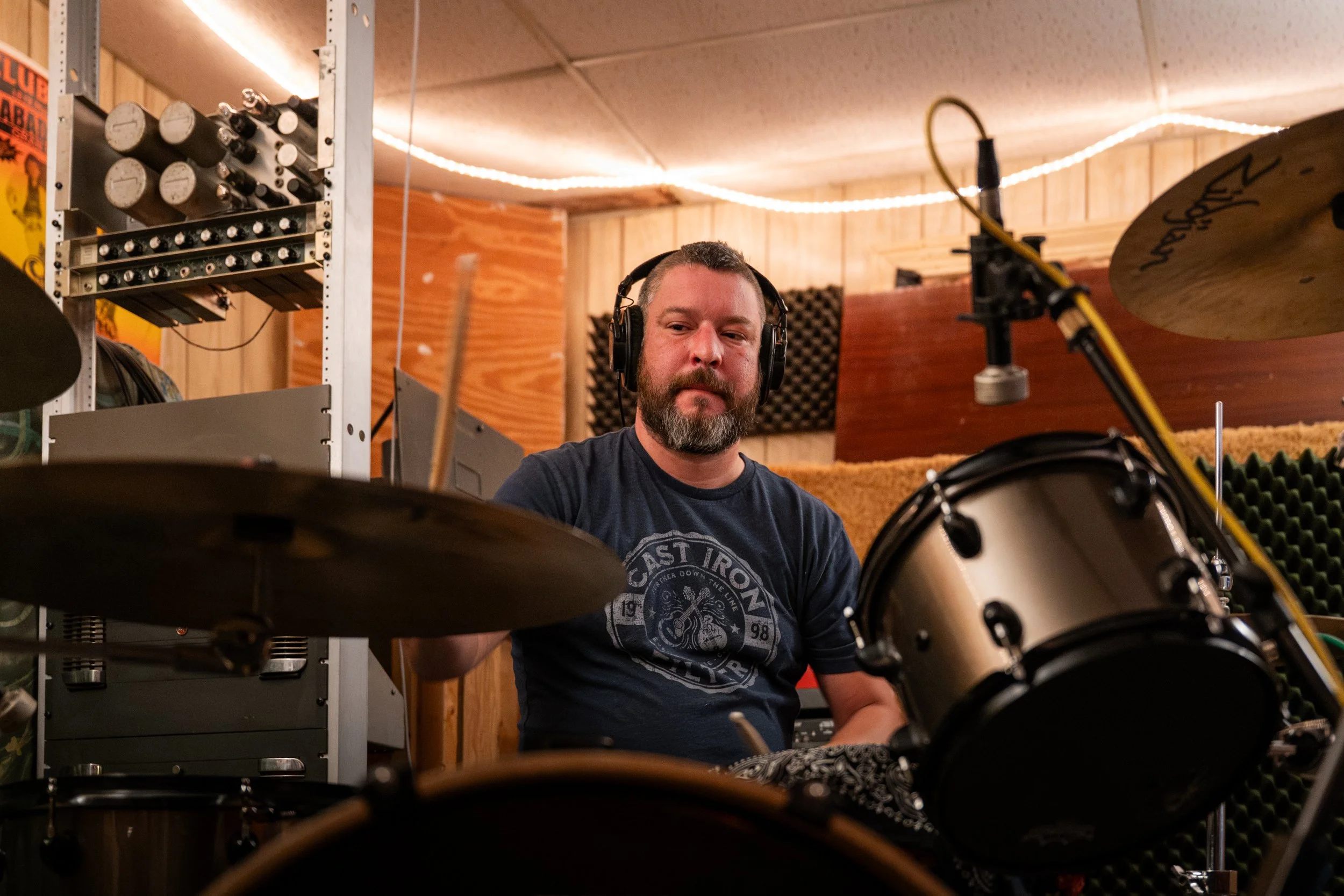
Winston-Salem, NC, Dec. 6, 2025 – Nathan Brown plays drums with several mics to record each different piece.
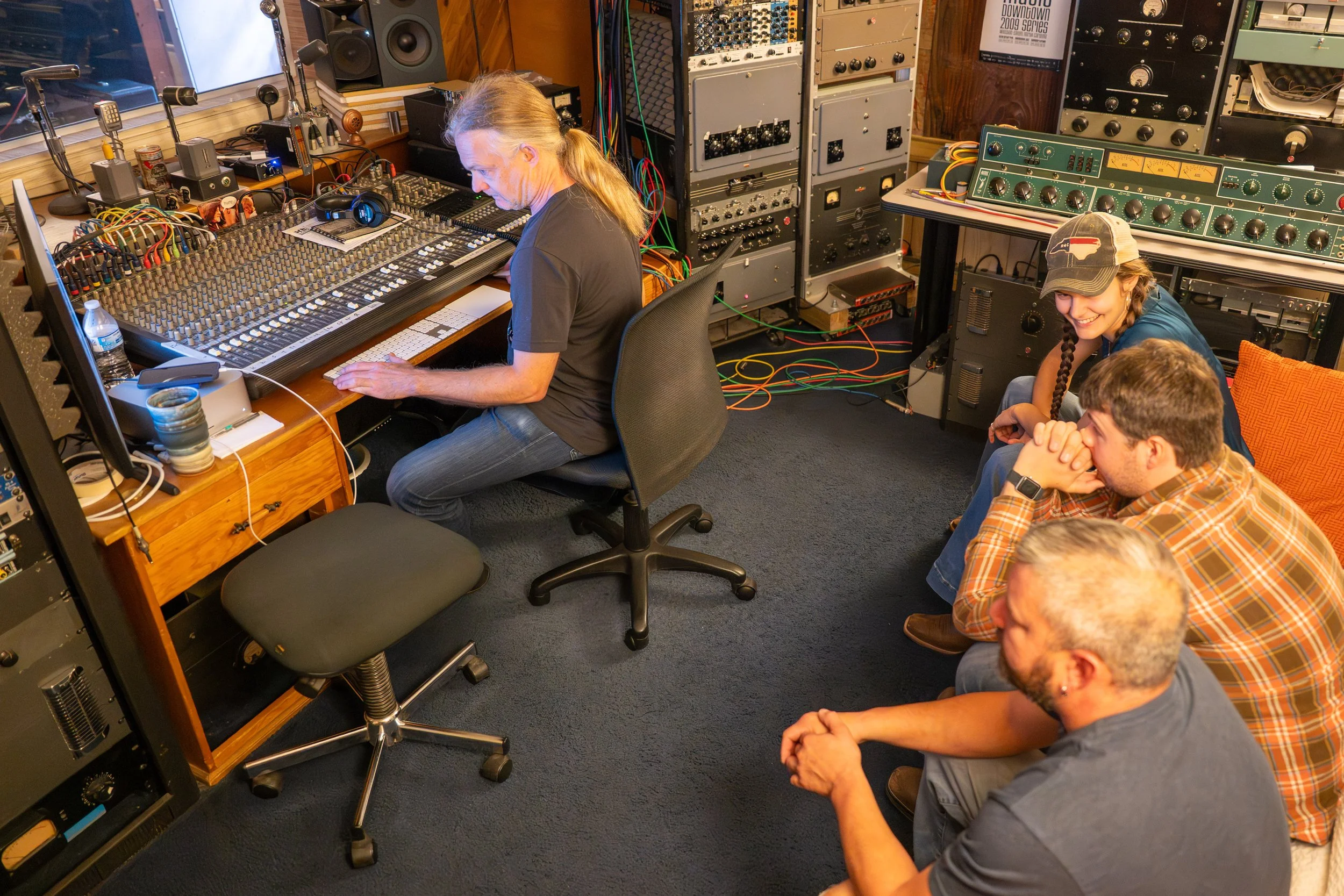
Winston-Salem, NC, Dec. 6, 2025 – Williams plays back the latest take for a song.
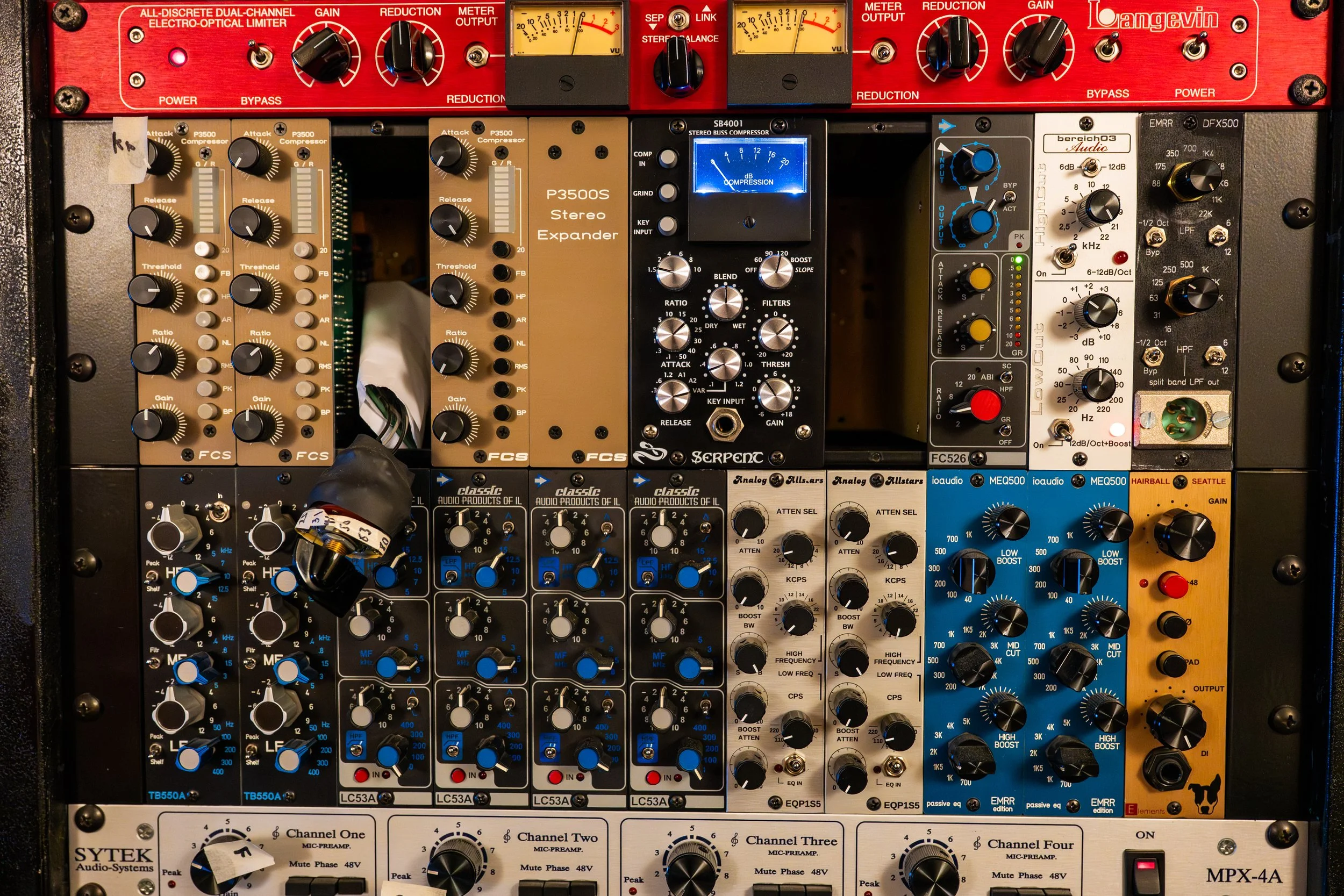
Winston-Salem, NC, Dec. 6, 2025 – Recording equipment.
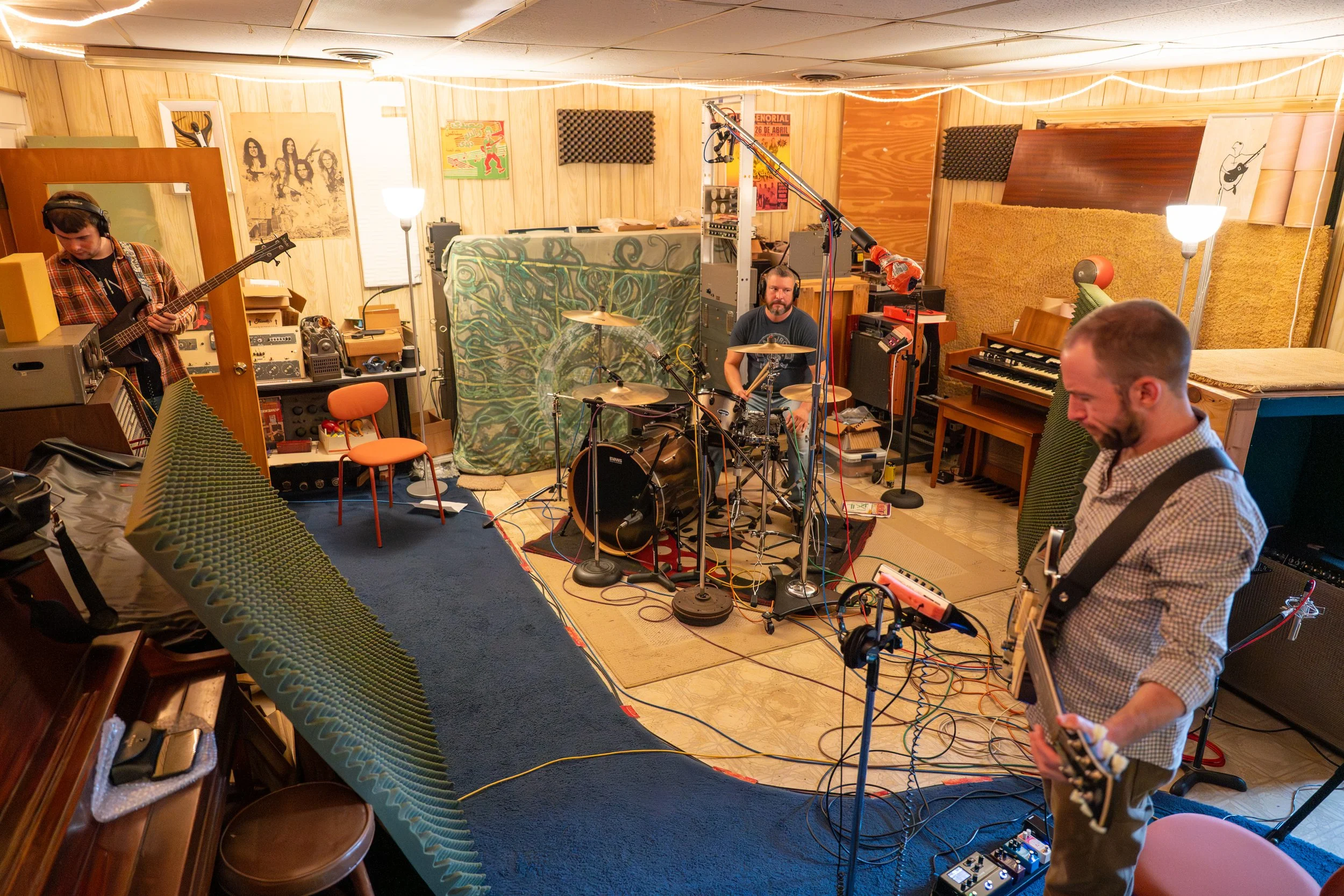
Winston-Salem, NC, Dec. 6, 2025 – Jordan, Brown and Marx play during a recording take.
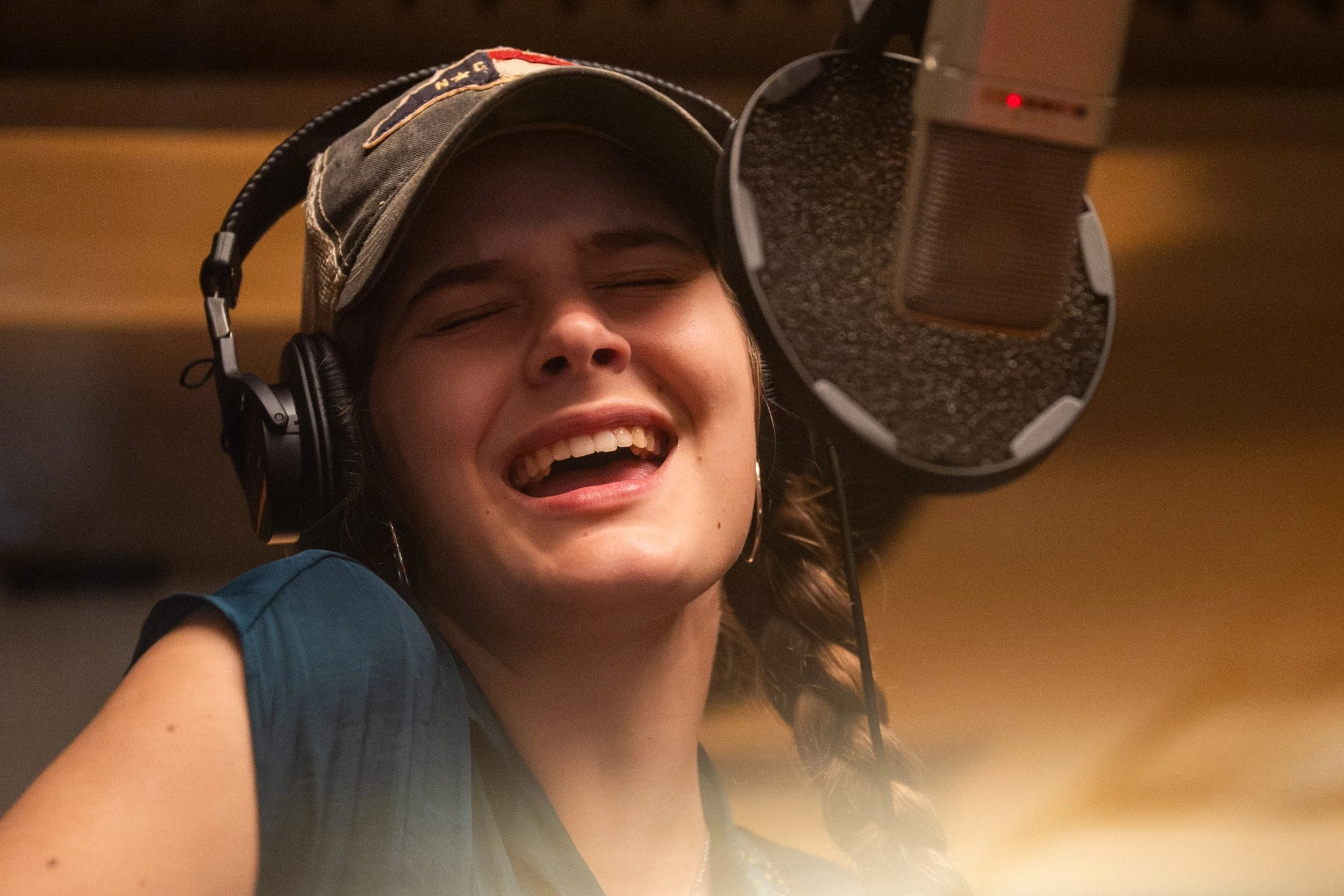
Winston-Salem, NC, Dec. 6, 2025 – Allyn sings in isolation booth.
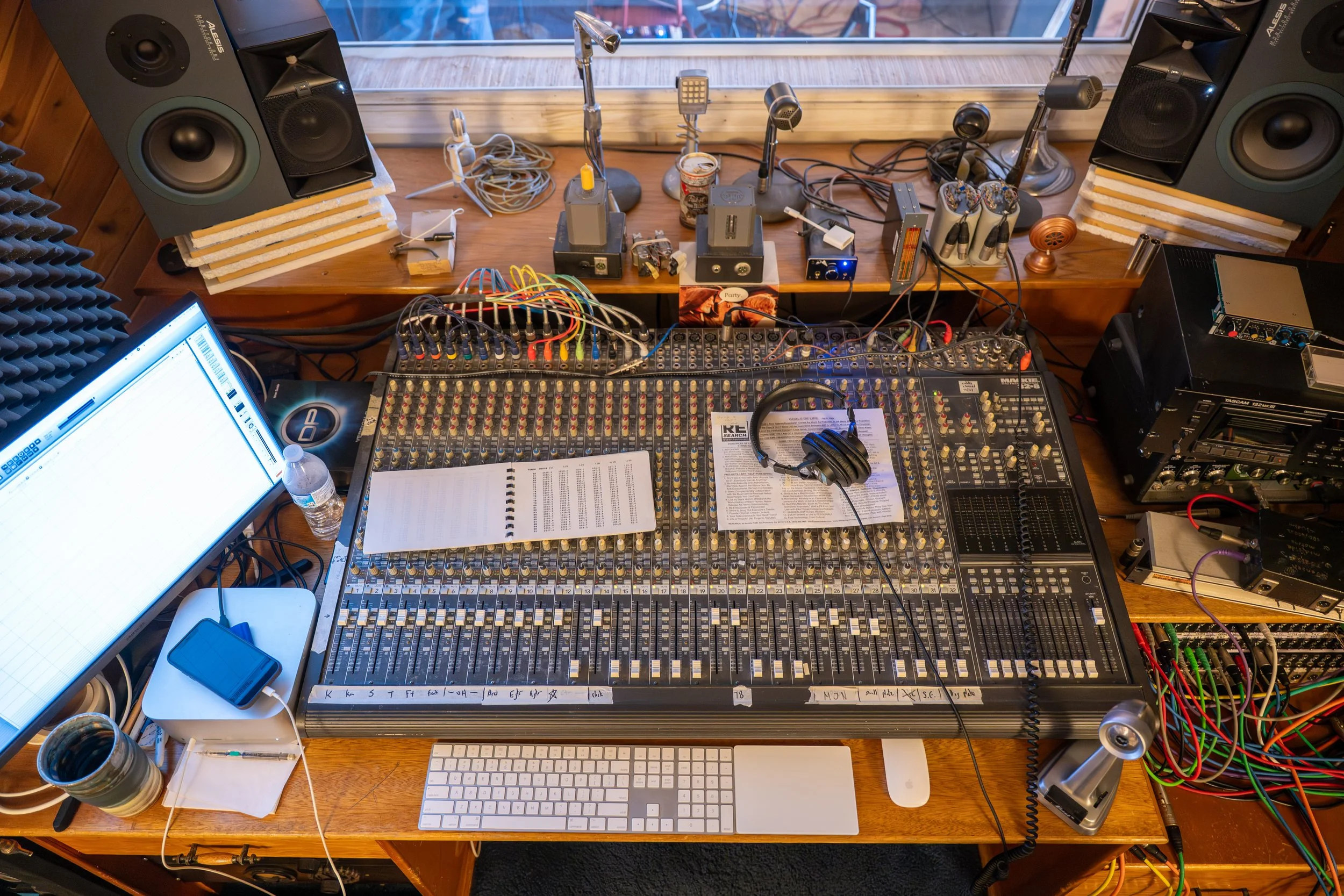
Winston-Salem, NC, Dec. 6, 2025 – Shot of Williams eclectic recording gear.
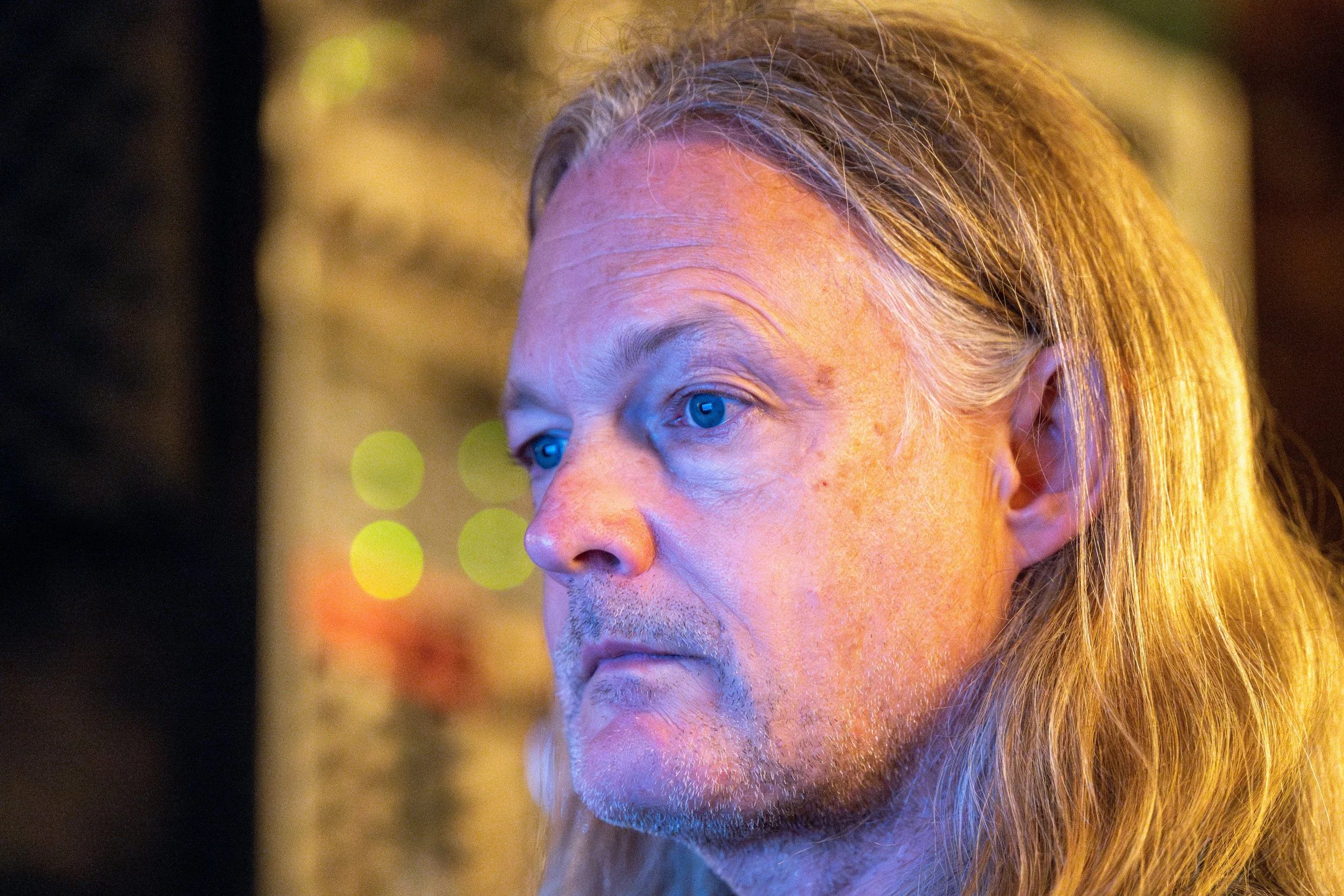
Winston-Salem, NC, Dec. 6, 2025 – Close up of Williams.